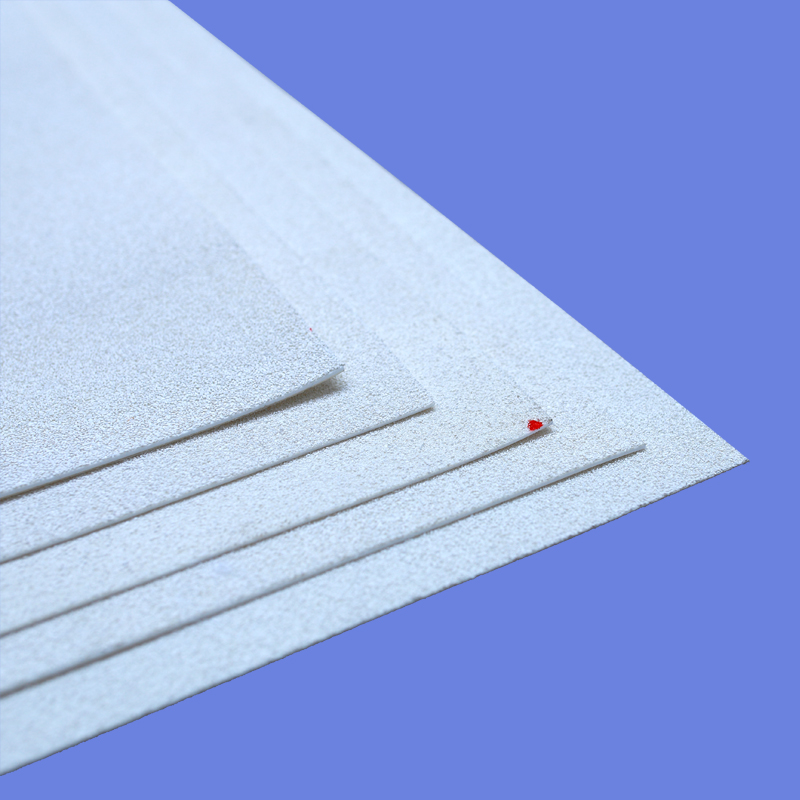
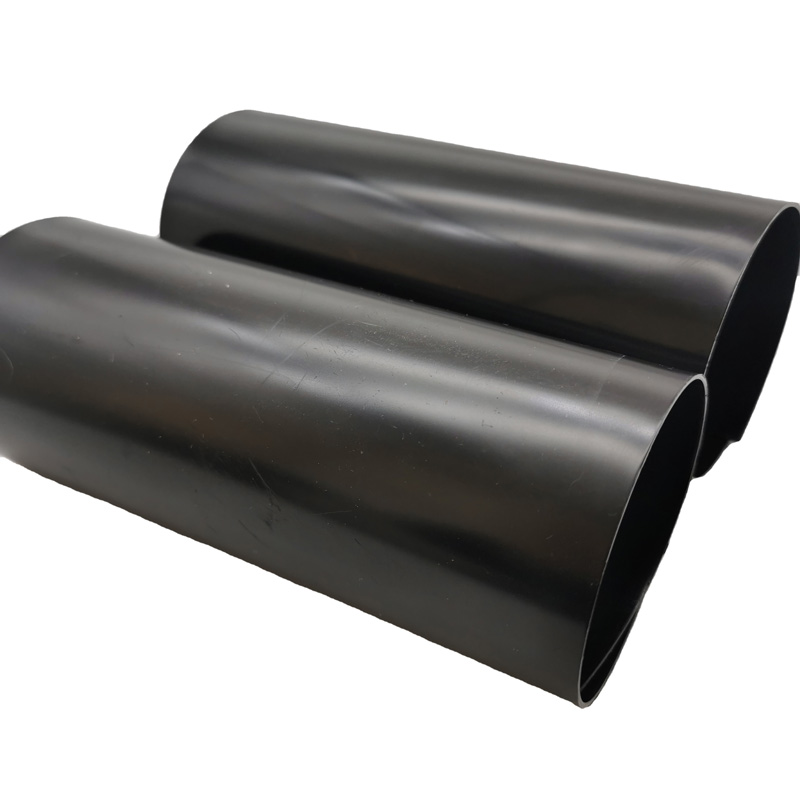
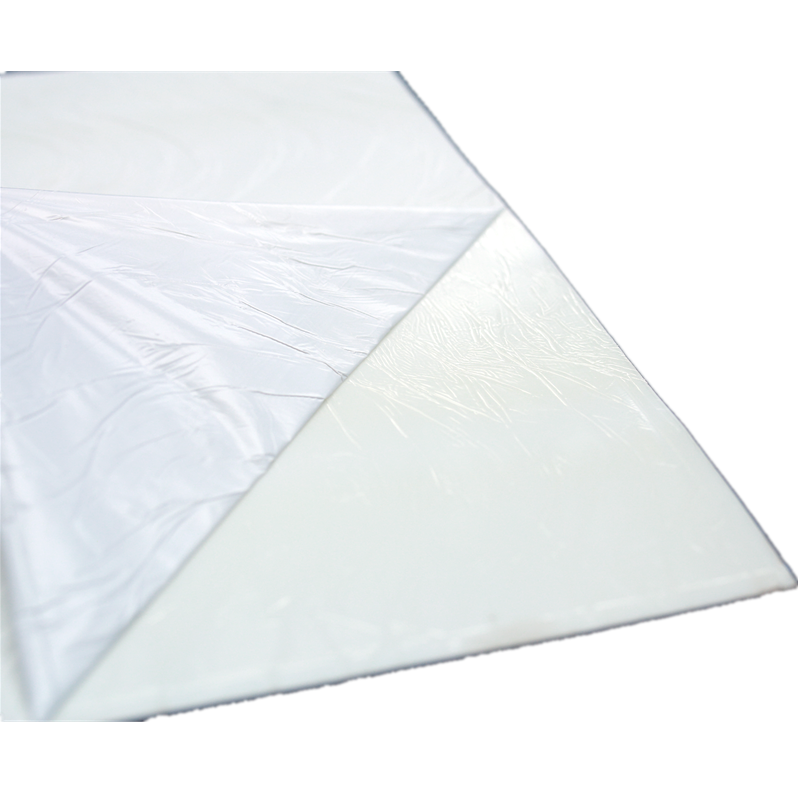
**Cost Analysis of HDPE Liner per m²: Insights and Industry Overview**High-Density Polyethylene (HDPE) liners have increasingly become a go-to solution in various industries due to their durability, chemical resistance, and ease of installation. As demand for HDPE liners grows in sectors such as environmental protection, mining, water containment, and waste management, understanding the cost per square meter (m²) is essential for companies and project planners aiming to implement these liners efficiently and economically.### Understanding HDPE Liners and Their ApplicationsHDPE liners are geomembranes made from high-density polyethylene, a thermoplastic polymer known for its high strength-to-density ratio. These liners act as impermeable barriers, preventing the leakage of contaminants into the surrounding environment. Industries utilize them extensively in landfill projects, pond linings, canal linings, mining tailing dams, and various other containment and protection projects.Their remarkable properties include UV resistance, chemical inertness, flexibility, and long service life, which can exceed several decades when installed correctly. These characteristics make HDPE liners a preferred choice over other materials, such as clay liners or PVC. However, when budget planning, the cost per m² remains a critical factor that influences selection alongside technical specifications.### Cost Per Square Meter of HDPE LinersThe cost of HDPE liners per m² varies depending on multiple factors, including raw material prices, liner thickness, manufacturing quality, installation complexity, and geographic location. Generally, prices range from $3 to $10 per square meter, with premium or specialized liners commanding higher rates. The thickness of the liner, typically measured in mils or millimeters, plays a vital role—common thicknesses range from 0.5mm to 2.0mm, with thicker liners offering increased durability but higher costs.Additional costs arise from welding and seaming the panels together onsite, ensuring a secure and leak-proof installation. Welding techniques, such as hot wedge welding or extrusion welding, require skilled labor and specialized equipment, adding to overall project expenses. Moreover, site preparation, including earthworks and subgrade smoothing, incurs further costs but is crucial for liner longevity and performance.### Influencing Factors on Pricing1. **Material Thickness:** Thicker liners increase cost but provide superior puncture resistance and a longer service life, justifying the expense in high-risk environments. 2. **Production Quality:** Liner manufacturers adhering to stringent quality control and international standards usually charge more but deliver better product reliability.3. **Installation Requirements:** Complex or inaccessible sites increase labor and equipment costs, affecting the final price per m².4. **Volume of Purchase:** Bulk buying often results in discounts, which can significantly reduce per unit costs for large-scale projects.5. **Geographical Location:** Transportation and customs duties in some regions impact the final delivered cost, particularly for imported liners.### Industry TrendsThe recent surge in environmental regulations and the need for sustainable waste management solutions are driving the growth of the HDPE liner market. Innovations in polymer technology continue to improve liner properties, such as enhanced UV resistance and antimicrobial functionalities, expanding their application scope.Furthermore, companies offering integrated solutions—including manufacturing, installation, and maintenance—are becoming preferred partners over suppliers providing only products. This integrated approach ensures quality throughout the project lifecycle and often leads to cost-efficiencies.### Company Overview[Company Name] is a leading provider specializing in high-quality HDPE liner solutions, offering a comprehensive range of products that meet international standards. With decades of experience, the company emphasizes innovation, sustainability, and customer-centric services. Their portfolio includes liners suited for landfill projects, mining operations, agricultural ponds, and hydraulic constructions. The company’s expert team supports clients through every phase, from design consultation to installation and after-sales support, ensuring optimal performance and long-term durability.Committed to environmentally responsible manufacturing practices, [Company Name] utilizes state-of-the-art production facilities and rigorous quality control measures. By maintaining competitive pricing and flexible supply options, the company caters to diverse client needs, helping to manage costs while delivering premium products.### ConclusionSelecting the right HDPE liner involves balancing technical requirements with budget constraints. Understanding the cost per square meter is crucial for project planning and financial estimation. While prices vary based on thickness, quality, installation complexity, and location, investing in high-quality, properly installed HDPE liners offers significant long-term benefits, including environmental protection and reduced maintenance costs.As the demand for sustainable containment solutions rises, companies that provide integrated services and maintain stringent quality benchmarks are positioned to lead the market. Partnering with experienced suppliers, such as [Company Name], can ensure access to reliable HDPE liner products and professional support, ultimately facilitating successful project outcomes at reasonable costs.For stakeholders evaluating HDPE liners, careful consideration of all cost factors, combined with a trusted supplier relationship, is key to achieving both environmental compliance and economic efficiency in their projects.
Read More